Alpaca guide
Practical, New Zealand-specific knowledge from AANZ members — organised by what you need to know, not how the association is structured.
Health & welfare
How to observe your animals, what to check, and the common health issues in New Zealand conditions.
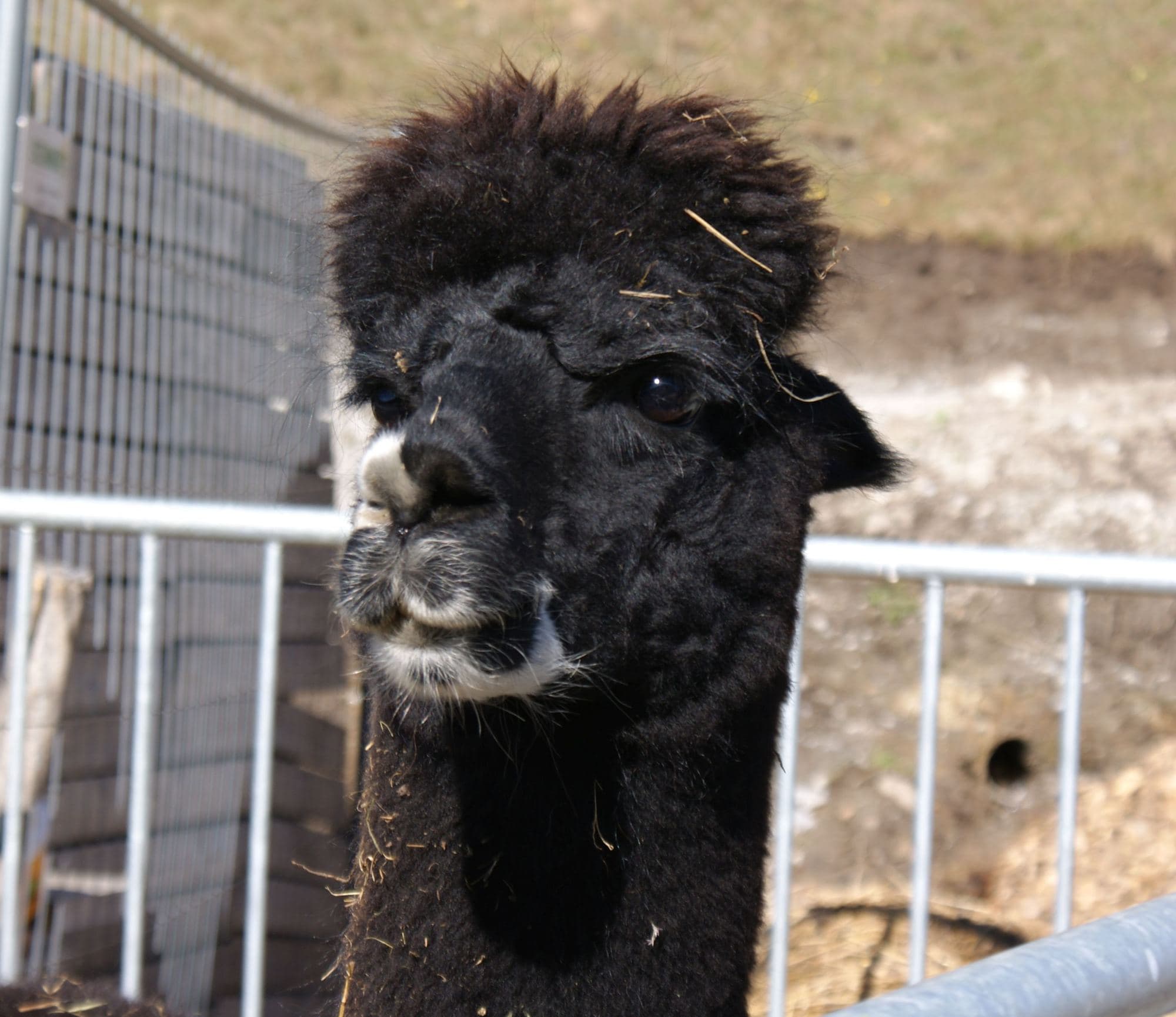
- 01An introduction to alpaca health careAlpaca do suffer from various internal problems. It is not the task of this website to go in depth on all of these areas, so only a few helpful comments are given. Your vet is the…
- 02Observation and body condition scoringA healthy alpaca will be “bright eyed and bushy tailed” and observation is the key to keeping them that way. Make sure you take the time to get to know the normal behaviour of…
- 03Doing a health checkThe Health Checks Paddock Card provides details of the systematic health check that should be carried out at least once a month, or as often as you can, to ensure any health…
- 04Internal parasitesBest practice parasite management includes management of pastures, stocking rates, stock rotations and species, dung collection and drenching strategies. Standard control…
- 05External parasitesLice Control - Lice is not a regular problem in alpaca, but it does occur. Lice usually occur on the top of the head, on the breast at the inside of the leg and just above the…
- 06Vitamins and mineralsMineral Deficiency - Mineral deficiency is common in alpacas due to the lack of minerals in New Zealand’s soils.
- 07Taking temperatures, weight loss and other issuesWeight loss can be caused by Insufficient feed or quality of feed.
- 08BiosecurityLiving on a couple of relatively small islands in the middle of the Pacific does have a couple of drawbacks when it comes to dealing with the rest of the world but one significant…
- 09Pasture-related health problemsAlpaca are susceptible to Facial Eczema along with other farm animals. It can be a killer disease that can be prevented by good pasture management and control of the destructive…
- 10Toxic plantsMany garden plants and ornamental trees are toxic to livestock. Toxic weeds can hide in your lawn as well. To be on the safe side, NEVER feed alpacas cuttings of trees, plants…
- 11The code of welfareThe minimum standards every alpaca owner in New Zealand must meet, set under the Animal Welfare Act.