Alpaca guide
Practical, New Zealand-specific knowledge from AANZ members — organised by what you need to know, not how the association is structured.
Land & feeding
Everything you need to create a healthy environment: land, fencing, shelter, water, pasture and feed.
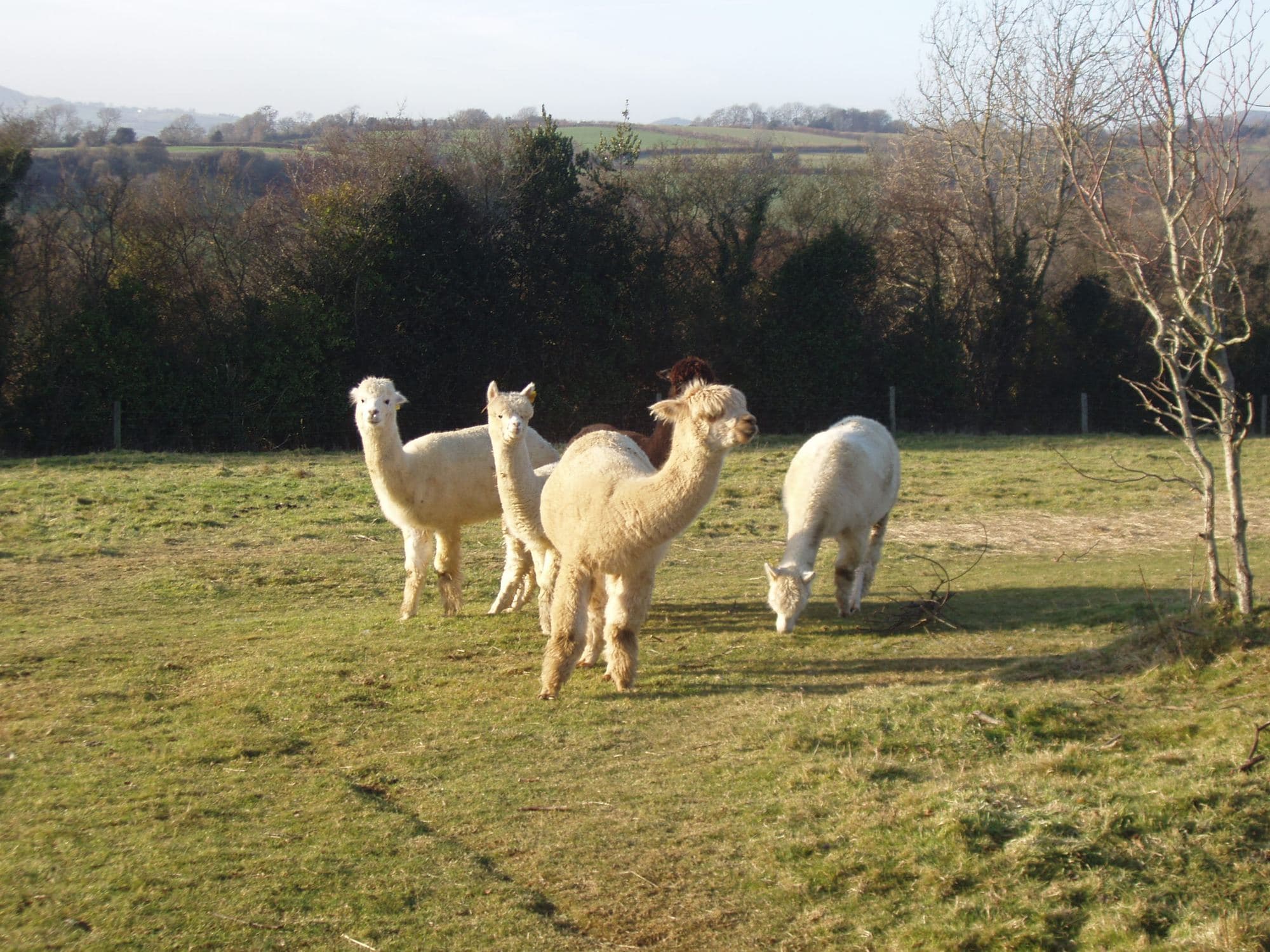
- 01How much land do I need?Alpaca are very efficient converters of pasture and from the point of view of nutrition, can be farmed quite intensively. Five to seven animals/acre is generally accepted as a…
- 02Fencing and yardsAlpaca rarely challenge their fencing and are more likely to go under rather than over a fence, however they are good jumpers if placed under threat. A minimum fence height for…
- 03Shelter and shadeLike all animals, alpaca need access to shade in hot weather as they are susceptible to heat stress in conditions of high temperature and humidity. Shelter can also be necessary…
- 04WaterClean drinking water should be available in every paddock at all times. The general rule with most stock water is it must be clean enough that you would be prepared to drink it…
- 05Feed requirementsAlpaca browse on grass, plants, shrubs and trees rather than grazing the way sheep do. They eat close to the ground and will ignore longer grasses when there is short grass…
- 06Pasture and dung managementAANZ - Note, some of the original links in this article no longer work and are under review.
- 07Pasture-related health problemsAlpaca are susceptible to Facial Eczema along with other farm animals. It can be a killer disease that can be prevented by good pasture management and control of the destructive…
- 08Toxic plantsMany garden plants and ornamental trees are toxic to livestock. Toxic weeds can hide in your lawn as well. To be on the safe side, NEVER feed alpacas cuttings of trees, plants…